
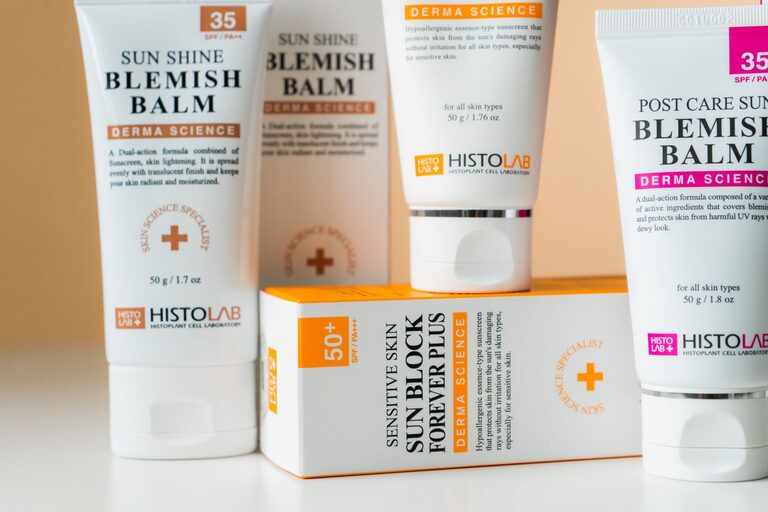
A skincare routine does not need to include a long list of products. For most beginners, a few simple steps used consistently can create a practical foundation for caring for the skin. The key is to choose gentle products, introduce changes slowly, and pay attention to how your skin responds.
This guide explains the basic steps, how to choose products, and how to build a morning and evening routine without making things overly complicated.
Start With the Basics
A basic skincare routine usually includes three main steps:
- Cleansing
- Moisturizing
- Applying sunscreen during the day
These steps help remove surface buildup, support the skin’s moisture barrier, and protect exposed skin from the sun. You can add other products later if you have a specific goal, but starting with the basics makes it easier to understand what works for you.
Identify Your Skin Type
Knowing your general skin type can help you select products more comfortably. Skin type may change with weather, age, stress, and other everyday factors, so treat these categories as a starting point rather than strict labels.
Normal Skin
Normal skin generally feels balanced and is not consistently too oily or too dry. Most gentle products may work well, although it is still helpful to avoid unnecessary ingredients that irritate your skin.
Dry Skin
Dry skin may feel tight, rough, or flaky, especially after washing. Look for creamy or lotion-based cleansers and moisturizers with a richer texture.
Oily Skin
Oily skin may look shiny or feel greasy, particularly around the forehead, nose, and chin. A lightweight, non-greasy moisturizer can help keep your routine comfortable.
Combination Skin
Combination skin may be oily in some areas and dry in others. You can use a lightweight product overall and apply a little more moisturizer to areas that feel dry.
Sensitive Skin
Sensitive skin may react easily to fragrance, strong formulas, or frequent product changes. Choose simple, fragrance-free options when possible, and introduce one new product at a time.
Morning Routine
A morning routine can be short and practical. The following order works well for many beginners.
Step 1: Cleanse Gently
Use a gentle cleanser to remove overnight sweat, excess oil, and product residue. Wet your face with lukewarm water, apply the cleanser with clean hands, and rinse thoroughly.
Avoid scrubbing aggressively or using very hot water. These habits can leave the skin feeling dry and uncomfortable. If your skin feels tight after cleansing, try using less product, cleansing for a shorter time, or choosing a milder formula.
Some people prefer to rinse with water in the morning and use cleanser only at night. This can be a reasonable option if your skin feels comfortable and clean.
Step 2: Apply Moisturizer
Moisturizer helps reduce dryness and leaves the skin feeling smoother. Apply it while the skin is slightly damp to help maintain a comfortable feel.
Choose a texture that suits your preferences:
– Gel moisturizers often feel light and fresh.
– Lotions provide moderate moisture without feeling heavy.
– Creams are usually richer and may suit dry skin.
– Balms or thicker creams can be useful for very dry areas.
Even oily skin can benefit from moisturizer. Skipping this step may leave the skin feeling tight, which can make your routine less comfortable.
Step 3: Use Sunscreen
Apply a broad-spectrum sunscreen in the morning to exposed skin, including the face, neck, and ears. Follow the product’s directions for application and reapplication, especially when spending time outdoors, sweating, or swimming.
Sunscreen is best used as the final step of your morning skincare routine, before makeup if you wear it. Hats, sunglasses, shade, and protective clothing can also add useful layers of sun protection.
Evening Routine
Your evening routine can focus on removing the day’s buildup and keeping the skin moisturized.
Step 1: Remove Makeup and Sunscreen
If you wear makeup or water-resistant sunscreen, remove it before cleansing. You can use a gentle makeup remover, cleansing balm, or micellar water according to the product directions.
Do not rub the eye area harshly. Instead, let the product loosen makeup before gently wiping it away.
Step 2: Cleanse
Cleanse your face to remove leftover makeup, sunscreen, sweat, and surface oil. A single gentle cleanse may be enough for some people. If you use several products or wear long-lasting makeup, you may prefer to remove makeup first and then cleanse.
Step 3: Moisturize
Finish with moisturizer. A simple evening routine does not require a special night cream. You can use the same moisturizer morning and night if it feels comfortable.
Add Products Slowly
After using the basic routine consistently, you may decide to add another product. Examples include a hydrating serum, an exfoliating product, or a product designed for a particular cosmetic concern.
Introduce only one new product at a time. Use it as directed and give yourself enough time to notice how your skin responds. Adding several products at once makes it difficult to know which one is helpful or causing discomfort.
Avoid starting multiple strong or active products together. A simple routine is easier to maintain and usually makes product testing less confusing.
Patch Test New Products
Before applying a new product to your entire face, test a small amount on a discreet area of skin, such as the inner forearm or along the jawline. Follow the product instructions and observe the area for signs of discomfort.
If you notice burning, swelling, a significant rash, or ongoing irritation, stop using the product. If a skin concern continues or worries you, consider speaking with a qualified dermatologist or other healthcare professional.
Common Beginner Mistakes
A few common habits can make a skincare routine more difficult than it needs to be:
– Using too many products at the same time
– Scrubbing the skin aggressively
– Washing with very hot water
– Skipping moisturizer because the skin is oily
– Forgetting sunscreen during outdoor activities
– Changing products before giving a routine time to settle
– Using products that are heavily fragranced if your skin is easily irritated
– Picking at blemishes or rough areas
Gentle, consistent care is usually more useful than a complicated routine that is difficult to follow.
Keep Your Routine Consistent
A skincare routine works best when it fits your everyday life. Store products where you will remember to use them, follow the recommended amount, and keep the routine simple enough to repeat.
Start with cleanser, moisturizer, and daytime sunscreen. Once those steps feel comfortable, you can decide whether additional products are necessary. Your routine may change with the seasons, your skin’s comfort, or your personal preferences.
The goal is not to use the most products. It is to create a steady routine that keeps your skin clean, comfortable, moisturized, and protected during daily activities.
About the Author