Creating a budget does not have to mean tracking every penny or giving up everything you enjoy. A simple budget is a plan for using your income in a way that supports your everyday needs and personal goals. The most helpful habits are often small, repeatable actions that make spending easier to understand.
Whether you are starting from scratch or trying to improve an existing routine, these practical habits can help you organize your money and make more thoughtful choices.
Start With a Clear Picture
Before changing your spending habits, take time to understand where your money goes. Review your income and regular expenses for a typical month.
Write down:
– Money that comes in, such as paychecks or other regular income
– Fixed bills, such as rent, utilities, and subscriptions
– Flexible expenses, such as groceries, transportation, and entertainment
– Occasional costs, such as gifts, repairs, or annual fees
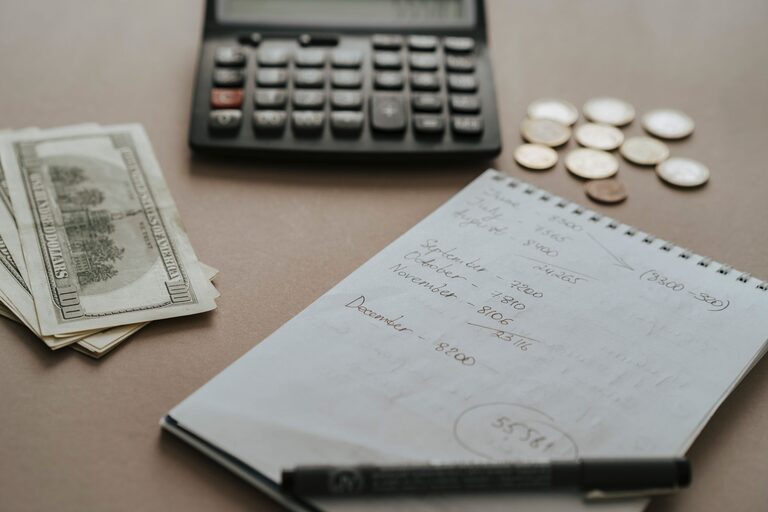
You do not need a complicated spreadsheet. A notebook, phone note, or basic budgeting app can work well. The goal is to see your spending patterns without judgment.
Reviewing the past month can reveal useful details. You may find that several small purchases add up, or that certain bills are higher than expected. This information gives you a realistic starting point.
Separate Needs, Wants, and Priorities
A helpful way to organize spending is to divide expenses into three groups:
Needs
These are expenses connected to daily living and essential responsibilities. Examples may include housing, food, transportation, utilities, and basic household items.
Wants
These are purchases that add enjoyment or convenience but are not essential. Examples include dining out, entertainment, new clothing, and optional subscriptions.
Priorities
These are personal goals that matter to you. They might include building a savings cushion, planning a trip, replacing an old appliance, or setting aside money for education.
This approach is not about labeling wants as bad. It simply helps you decide what deserves attention first. When your priorities are clear, it becomes easier to make choices when your available money is limited.
Use a Simple Spending Plan
After reviewing your expenses, create a spending plan for the month. Start with your regular income and list your most important costs. Then decide how much you want to set aside for flexible spending and personal priorities.
A simple plan might include:
– Essential bills
– Groceries and household needs
– Transportation
– Savings or future goals
– Personal spending
– A small amount for unexpected costs
The amounts do not have to be perfect. A useful budget is one you can understand and maintain. If your first plan does not match real life, adjust it rather than abandoning it.
It can also help to give each category a limit. For example, you may decide on a weekly amount for groceries or entertainment. Breaking monthly limits into smaller time periods can make them easier to manage.
Check Your Spending Regularly
A budget works best when you check it throughout the month. Waiting until the end of the month can make it difficult to understand what happened.
Try a brief review once or twice a week. Look at recent purchases and compare them with your plan. Ask yourself:
– What spending went as expected?
– Did any category need more than planned?
– Are there upcoming expenses to prepare for?
– Is there anything I can adjust before the month ends?
These short check-ins can take only a few minutes. They also help you notice problems early, when small changes may be enough to keep your plan on track.
Try a Pause Before Buying
One of the easiest habits for reducing unplanned spending is to pause before making a purchase. For small items, wait a few minutes. For larger purchases, consider waiting until the next day.
During the pause, ask:
– Do I need this now?
– Do I already own something similar?
– Does this purchase fit my current plan?
– Would I still want it if it were not on sale?
– What other expense might this replace?
A pause does not mean you can never buy something enjoyable. It gives you a chance to make a deliberate decision instead of an automatic one.
Plan Meals and Shopping Trips
Food spending can be easier to manage with a little preparation. Before shopping, check what you already have at home and make a short list of meals or ingredients.
Helpful habits include:
– Planning a few meals before visiting the store
– Using ingredients already in your kitchen
– Comparing package sizes and unit prices
– Avoiding shopping when you are rushed or very hungry
– Keeping a list of frequently used items
You do not need to plan every meal perfectly. Even planning two or three meals can reduce last-minute purchases and food waste.
Review Subscriptions and Recurring Costs
Recurring charges can be easy to overlook because they may be automatically paid. Once a month, review subscriptions, memberships, delivery services, and other regular charges.
For each one, consider:
– How often do I use it?
– Does it still provide value?
– Is there a less expensive option?
– Can I pause or cancel it?
This review may uncover services you no longer need. It can also help you make sure that recurring costs still match your current habits.
Build a Small Buffer
Unexpected costs are a normal part of everyday life. A small buffer can make these expenses easier to handle without disrupting the rest of your plan.
If possible, set aside a manageable amount on a regular schedule. The amount may be small at first, but consistency matters. You can keep this money separate from everyday spending so it is easier to leave untouched.
Think of the buffer as a way to create flexibility, not as a test of how much you can save. Start with an amount that fits comfortably within your current situation.
Automate Simple Tasks
Automation can make good habits easier to maintain. You may be able to schedule regular transfers to a savings account or set reminders for upcoming bills.
Useful reminders can include:
– Weekly spending reviews
– Monthly subscription checks
– Upcoming annual payments
– Grocery planning
– Reviewing personal goals
Automation should support your plan, not replace your attention. Check your accounts regularly and make sure scheduled payments match your available funds.
Make Your Budget Flexible
No month goes exactly as planned. Travel, celebrations, repairs, and changes in income can affect your spending. A flexible budget gives you room to adjust without feeling like you have failed.
If one category costs more than expected, look for another category that can be reduced temporarily. You can also update your plan when your routine changes.
The goal is not perfect control. The goal is to make your money easier to understand and your choices more intentional.
Keep Improving One Habit at a Time
Trying to change every spending habit at once can feel overwhelming. Instead, choose one small improvement for the next few weeks.
For example, you might:
– Record every purchase for seven days
– Plan meals twice a week
– Review subscriptions
– Wait one day before larger purchases
– Set a regular time for checking your budget
Once a habit feels comfortable, add another. Small changes can become a reliable routine when they are simple enough to repeat.
A budget is a tool for everyday organization. By tracking your spending, planning ahead, and reviewing your choices regularly, you can build a routine that fits your life and supports your priorities.
About the Author