Creativity is not limited to artists, writers, or people with naturally vivid imaginations. It is a skill anyone can practice. Whether you are solving a problem at work, preparing a meal, decorating a room, or finding a better way to organize your day, you are using creative thinking.
The good news is that creativity does not require hours of free time or expensive supplies. Small, regular activities can help you become more curious, flexible, and comfortable with new ideas. The key is to make creativity part of your everyday routine.
Make Time for Small Creative Moments
A common mistake is waiting for the perfect opportunity to be creative. You may imagine that you need a quiet afternoon, a special workspace, or a large project. In reality, creativity can begin with just five or ten minutes.
Choose a small block of time that fits naturally into your day. You might write in the morning, sketch during a break, or think of new ideas before bed. Keeping the activity short makes it easier to begin and helps creativity feel enjoyable rather than demanding.
Try these simple options:
– Write three sentences about your day
– Make a quick sketch of an object nearby
– Take a photo of an interesting detail
– Create a new playlist
– Rearrange a small area of your home
– Find a different solution to a familiar task
Consistency matters more than duration. A few minutes each day can build a stronger habit than an occasional long session.
Keep an Ideas Journal
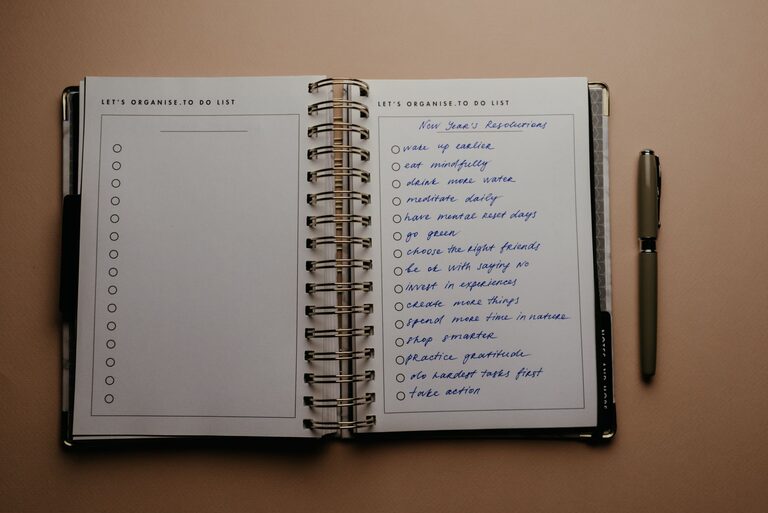
An ideas journal gives your thoughts a place to land. It can be a paper notebook, a notes app, or a document on your computer. Use it to collect anything that catches your attention, even if it seems unfinished or unusual.
You can record:
– Questions you would like to explore
– Interesting phrases or observations
– Problems that need a solution
– Possible project ideas
– Memories and personal experiences
– Combinations of unrelated topics
Do not worry about organizing everything immediately. The goal is to notice and capture ideas before they disappear. You can return to your notes later and look for connections.
If you are not sure what to write, begin with a prompt such as, “I wonder what would happen if…” or “A different way to approach this is…” Prompts reduce the pressure of starting with a blank page.
Change Your Routine
Familiar routines are useful, but doing everything the same way can limit what you notice. Small changes can expose you to new sights, sounds, and experiences.
Take a different route on your walk. Try a new recipe. Work in another room. Read a magazine about a subject you know very little about. Listen to a style of music you usually overlook.
These changes do not need to be dramatic. Their purpose is to interrupt automatic habits and encourage you to pay attention. New experiences give your mind more material to work with, which can lead to fresh ideas.
You can also change the order of ordinary tasks. If you usually begin with email, try starting with a short planning exercise or a creative activity. A small shift may help you approach the rest of the day with a more open mind.
Practice Looking Closely
Creativity often starts with observation. When you slow down and look carefully, ordinary things become more interesting.
Choose one everyday object, such as a mug, shoe, houseplant, or key. Study it for a few minutes. Notice its shape, color, texture, marks, and purpose. Then write down as many details as you can.
You can make the exercise more challenging by asking:
– How was this object made?
– What story might it tell?
– How could its design be improved?
– What other uses could it have?
– What would it look like in a different setting?
This activity trains you to move beyond first impressions. Careful observation is useful for drawing and writing, but it also supports better planning, communication, and problem-solving.
Give Yourself Creative Limits
Having unlimited choices can make it difficult to begin. A few clear limits can make creativity easier by giving your mind a starting point.
For example, challenge yourself to write a story in 100 words, draw using only two colors, or create a meal with five ingredients. You could take photos of only round objects or describe a familiar place without using the words “nice,” “big,” or “beautiful.”
Try one of these challenges:
– Create something in ten minutes
– Use only materials already at home
– Start with three random words
– Make five different versions of one idea
– Explain a simple process in a new way
Limits encourage experimentation. They also make it easier to finish, because the project has a clear shape.
Read, Listen, and Explore Widely
Creative ideas are often influenced by what you read, watch, hear, and experience. Make time for a range of sources instead of relying only on familiar favorites.
Read a short story, explore a history book, listen to an interview, visit a local gallery, or watch a documentary about a subject outside your usual interests. You do not need to become an expert. Simply remain curious.
As you explore, ask yourself:
– What surprises me about this?
– What ideas could I borrow or adapt?
– What connections can I make to my own life?
– What would I like to learn next?
Exposure to different perspectives expands your collection of ideas. Over time, those ideas may combine in unexpected ways.
Make Room for Play
Play is a valuable part of creativity because it removes some of the pressure to be useful or perfect. Try an activity simply because it sounds fun.
Build something with blocks, doodle without a plan, make up a silly name for a fictional product, or create a short song about an ordinary task. You can also revisit an activity you enjoyed as a child.
Play encourages curiosity and experimentation. It gives you permission to try, make mistakes, and start again. Those habits are important in more serious creative work, too.
Accept Imperfect Results
Many people stop being creative because they judge their work too quickly. They expect the first attempt to be polished, original, or impressive. This expectation can prevent ideas from developing.
Instead, treat early attempts as practice. A rough sketch, awkward paragraph, or unfinished idea is not a failure. It is information about what you might try next.
A helpful process is:
- Create a first version without constant editing.
- Take a short break.
- Notice what works and what could change.
- Make one small improvement.
- Decide whether you want to continue.
Separating creation from evaluation makes it easier to explore. You can always revise later, but you cannot improve an idea that you never allow yourself to make.
Share Your Work in Small Ways
Sharing can help you stay motivated and discover how others respond to your ideas. This does not mean every project needs to be published publicly. You might show a drawing to a friend, exchange writing with a small group, or place a finished project where you can see it.
Feedback can offer useful suggestions, but remember that creativity is also personal. You do not need universal approval for an activity to be worthwhile.
If sharing feels uncomfortable, begin by keeping a record of your work. Take photos, save drafts, or write a short note about what you learned. Seeing your progress can encourage you to continue.
Build a Habit That Fits Your Life
The best creative routine is one you can maintain. Choose an activity you genuinely enjoy and connect it to an existing habit, such as morning coffee, a lunch break, or an evening wind-down.
Keep your materials easy to reach. A notebook on your desk, a camera app on your phone, or a small box of art supplies can remove unnecessary barriers.
Most importantly, stay curious. Creativity grows through attention, practice, and willingness to try something different. You do not need to wait for inspiration. By making small creative choices each day, you can develop a richer way of seeing the world and a more flexible approach to everyday life.
About the Author