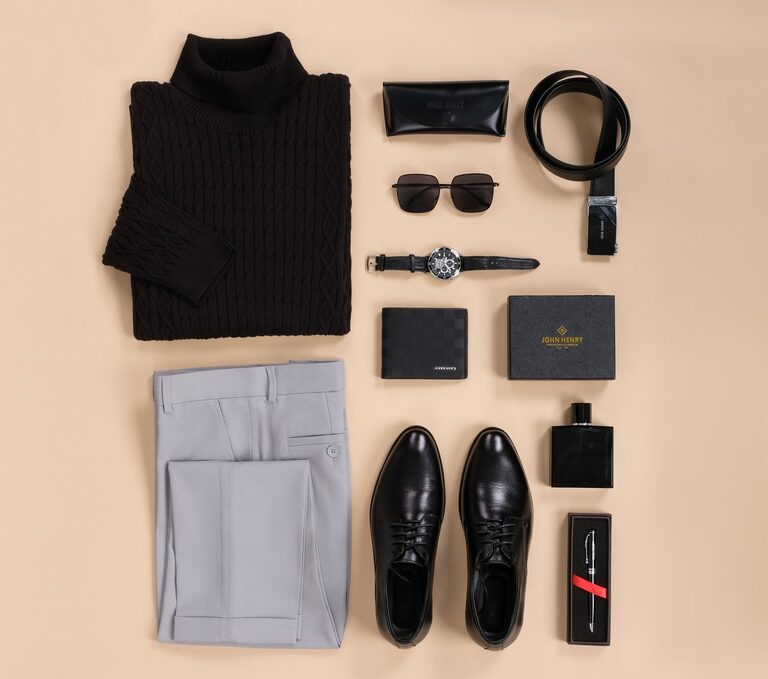
A capsule wardrobe is a small collection of clothing that works well together and suits your everyday lifestyle. Instead of filling your closet with items you rarely wear, you focus on versatile pieces that can be mixed, matched, and enjoyed regularly.
Building a capsule wardrobe does not mean following strict rules or owning a specific number of items. The goal is to create a closet that makes getting dressed easier while reflecting your personal style, routine, and comfort.
What Is a Capsule Wardrobe?
A capsule wardrobe is a thoughtfully selected group of clothing, shoes, and accessories. Most pieces coordinate with one another, making it easier to create several outfits from fewer items.
A basic capsule wardrobe may include:
– Everyday tops
– Casual and dressier bottoms
– One or two layers
– Comfortable shoes
– A seasonal outer layer
– A few accessories
– Optional clothing for work, exercise, or special occasions
The exact contents depend on your lifestyle. Someone who works from home may need more casual clothing, while someone in an office may need additional polished pieces. A parent, traveler, student, or outdoor enthusiast will also have different needs.
Start With Your Daily Life
Before removing clothing or shopping for new pieces, consider how you spend most of your time. Your wardrobe should support your real schedule rather than an imagined version of your life.
Ask yourself:
– What do I wear on a typical weekday?
– How often do I need work or formal clothing?
– Do I spend a lot of time outdoors?
– What activities require special clothing?
– What types of weather do I usually experience?
– Which clothes do I reach for most often?
– Are there colors, fabrics, or fits I avoid?
Write down the main categories you need. For example, your list might include casual outfits, work outfits, weekend clothing, workout wear, and seasonal layers. This simple exercise helps you avoid building a wardrobe that looks good in theory but does not work in practice.
Review Your Existing Closet
The best place to start is with what you already own. Take everything out of your closet and group similar items together. This gives you a clear view of your current clothing and may reveal that you already have many useful basics.
Sort each item into four groups:
- **Keep:** Pieces you wear often, feel comfortable in, and enjoy.
- **Maybe:** Items you rarely wear but may still need time to evaluate.
- **Repair or alter:** Clothing that could be useful after a small fix.
- **Donate or recycle:** Items that no longer fit your needs, style, or condition.
Try on anything you are unsure about. Pay attention to fit, comfort, fabric, and versatility. If an item looks nice but is uncomfortable or difficult to style, it may not deserve space in your everyday wardrobe.
Do not feel pressured to discard everything at once. You can place uncertain items in a storage box for a month or two. If you do not miss them, you may be ready to let them go.
Choose a Simple Color Palette
A coordinated color palette makes a capsule wardrobe easier to combine. Start with two or three neutral colors, such as:
– Black
– White
– Navy
– Gray
– Beige
– Brown
– Olive
Then add one or two accent colors that you enjoy wearing. These might include blue, green, red, yellow, or another shade that complements your existing clothing.
Your palette does not need to be perfectly planned. The purpose is simply to make outfit combinations more obvious. If most of your clothes share similar tones, you can create more outfits without buying additional pieces.
Also consider patterns. A few patterned items can add interest, but simple patterns are often easier to coordinate than very bold designs. Choose pieces that work with several items already in your closet.
Build Around Reliable Basics
A useful capsule wardrobe includes dependable basics that can be dressed up or down. Choose items based on your lifestyle, climate, and preferred fit.
A basic collection might include:
Tops
– Two or three everyday T-shirts
– One or two long-sleeve shirts
– A button-down shirt or blouse
– A sweater or lightweight knit
– A slightly dressier top
Bottoms
– One pair of jeans
– One pair of casual trousers or chinos
– One comfortable skirt or additional pair of pants
– Optional shorts for warm weather
Layers
– A cardigan, overshirt, or casual jacket
– A blazer or polished layer if needed
– A weather-appropriate coat
– A lightweight layer for changing temperatures
Shoes
– Comfortable everyday sneakers
– Casual boots, loafers, or flats
– A dressier option
– Sandals or weather-specific shoes when needed
These are only suggestions, not requirements. You may prefer dresses, athletic clothing, or different types of footwear. Select pieces that match your routine and that you can imagine wearing in several combinations.
Prioritize Fit and Comfort
Versatility is important, but clothing must also feel good to wear. A basic item is not useful if it pinches, rides up, needs constant adjustment, or does not suit your movement.
When evaluating a piece, consider:
– Does it fit comfortably when you sit and move?
– Is the fabric suitable for the weather?
– Can you care for it easily?
– Does it work with at least three other items?
– Would you choose to wear it again soon?
Pay attention to clothing that makes you feel confident and comfortable. A capsule wardrobe should make daily dressing simpler, not create new restrictions.
Create Outfit Combinations
Once you have selected your core pieces, create several complete outfits. Lay clothing on your bed or use a wardrobe planning app if you prefer a visual approach.
Try to build outfits for common situations, such as:
– A regular workday
– A relaxed weekend
– A casual dinner
– A day outdoors
– A cooler or warmer day
– A simple dressier event
Take photos of combinations you like. This creates a personal outfit reference that can save time on busy mornings. It also shows which pieces are doing the most work and which items are difficult to use.
A good basic capsule wardrobe should offer variety without requiring complicated styling. If one shirt works with several bottoms and layers, it is likely a strong addition.
Shop With a Clear Plan
After reviewing your closet, identify genuine gaps before buying anything. Make a short shopping list based on what you need most.
For example, you may need:
– A neutral pair of trousers
– A versatile layer
– Comfortable everyday shoes
– A weatherproof jacket
– A top that works for both casual and polished outfits
Avoid shopping simply because an item is on sale. Before purchasing, ask whether it fits your color palette, suits your lifestyle, and works with at least three outfits. Check the fabric, care instructions, and fit as well.
It is often better to add one well-chosen piece at a time than to buy many items quickly. A slower approach allows you to learn what you actually wear.
Adjust Your Wardrobe Each Season
A capsule wardrobe can change throughout the year. Store heavy sweaters and winter coats when the weather turns warm, then bring them back when temperatures drop. Keep a few year-round basics accessible if your climate changes often.
At the beginning of each season, review:
– Which items are practical now?
– What needs repair or replacement?
– Are there enough layers?
– Are any pieces uncomfortable or rarely worn?
– Is there a clear gap in your wardrobe?
Seasonal updates do not require a complete makeover. Small adjustments can keep your closet useful while avoiding unnecessary purchases.
Maintain Your Capsule Wardrobe
Once your wardrobe is established, simple habits can help maintain it. Return clothing to its proper place, follow care instructions, and repair small problems before they become larger ones.
Every few months, review your clothing and notice what you actually wear. Your preferences may change over time, and your wardrobe should be allowed to change with them.
The most successful capsule wardrobe is not the smallest one. It is the one that helps you get dressed with less effort, makes good use of what you own, and supports your everyday life. Start with a few reliable pieces, build gradually, and adjust the system until it feels natural.
About the Author