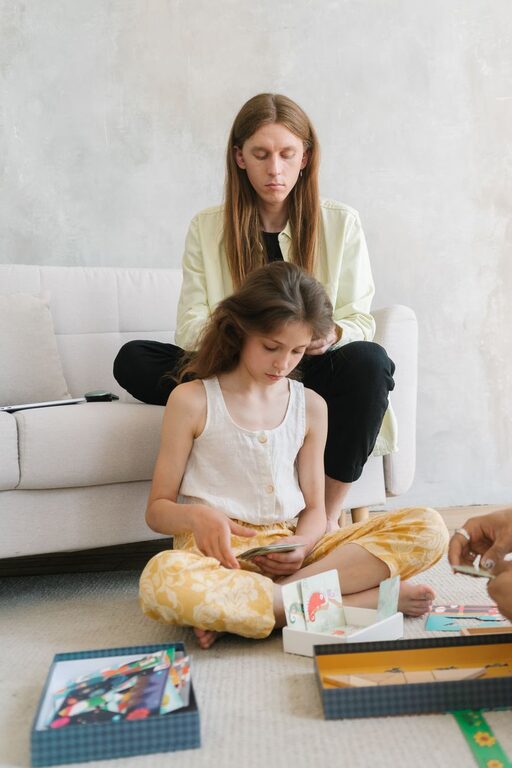
Family game night is a simple way to spend quality time together without leaving home. You do not need a large collection of games or an elaborate setup. With a little planning, everyday items and a few familiar favorites can become the foundation for a fun evening.
The best game nights are relaxed, inclusive, and easy to enjoy. Choose activities that match your family’s ages and interests, add a few snacks, and focus on sharing laughs rather than keeping score. Here are ideas to help you plan a game night everyone will look forward to.
Start With a Simple Plan
A little preparation can make the evening run smoothly. Begin by choosing a day when most family members are available and try to limit distractions. Turning off unnecessary notifications and setting aside other tasks can help everyone stay involved.
Before game night begins, decide on a few basics:
– How long the evening will last
– Which games or activities you will play
– Whether everyone will bring a snack
– If teams will be used
– How you will handle younger children’s bedtimes
It is usually better to plan two or three activities than to fill the entire evening with games. This leaves room for conversation, breaks, and unexpected fun.
Choose Games for Different Ages
Families often include people with different attention spans, reading levels, and experience with games. Select a variety of activities so everyone has a chance to participate.
Classic Board Games
Board games are a reliable choice because they are easy to explain and often encourage conversation. Choose games based on the ages of the players and the amount of time available.
Some popular options include:
– Checkers or chess for strategy practice
– Connect Four for quick rounds
– Candy Land or similar games for younger children
– Clue-style mystery games for older children and adults
– Cooperative board games where players work toward one shared goal
If a game has complicated instructions, explain only the basics at first. Players can learn additional rules as they go.
Card Games
Card games are affordable, portable, and easy to customize. Try simple games such as Go Fish, Uno, Old Maid, or War. Older children may enjoy learning games such as rummy, hearts, or a family-friendly matching game.
For younger players, make large groups of cards easier to manage by removing some cards or shortening the number of rounds. The goal is to keep the game moving and enjoyable.
Word and Trivia Games
Word games are a great choice when you want something that requires little setup. You can play categories by choosing a letter and naming items in groups such as foods, animals, movies, or places. Another option is a family trivia game using questions about hobbies, favorite foods, pets, or funny memories.
Keep questions welcoming rather than overly difficult. You can also let players create questions for one another, which adds a personal touch.
Try Active Games Between Rounds
Sitting at the table for several hours can become tiring, especially for younger children. Add a few active games to keep the energy fresh.
Charades is an easy option for nearly any age. Write simple actions, animals, or activities on slips of paper and place them in a bowl. Players take turns acting out a word without speaking while everyone else guesses.
Other active ideas include:
– Indoor scavenger hunts
– Balloon volleyball
– Freeze dance
– “Simon Says”
– A living room obstacle course
– Sock basketball using a laundry basket
– Musical statues
For indoor games, remove breakable items and provide enough space to move safely. Keep the rules simple and make sure everyone gets a turn.
Create a Family Game Night Theme
A theme can make an ordinary evening feel special. It does not need to be complicated or expensive. Choose a theme that matches games you already own or activities your family enjoys.
Around-the-World Night
Choose games, snacks, or music inspired by different parts of the world. You might play a map-based game, learn a few greetings in another language, or create a quiz about landmarks and foods.
Pajama Game Night
Let everyone wear pajamas, bring blankets to the living room, and enjoy games in a cozy setting. Add pillows, warm drinks, and a short story or movie after the games.
Game Show Night
Divide the family into teams and create several rounds with different challenges. Include trivia, word clues, drawing, and guessing games. One person can act as the host, or the role can rotate after each round.
Mini Tournament
Choose three or four short games and award points for each round. Keep the scoring light and celebrate different achievements, such as best teamwork, funniest answer, or most creative strategy. This helps prevent the evening from focusing only on winning.
Add Creative Homemade Games
You can create engaging games with paper, pencils, and items around the house.
Drawing Challenge
Give everyone a word or phrase to draw in a limited amount of time. Players then guess what each person has drawn. For younger children, use familiar subjects such as animals, toys, or foods.
Mystery Object
Place a household item in a bag. Players take turns feeling the item without looking and describing what they notice. They can then guess what it is.
Story Building
Start a story with one sentence. Each person adds another sentence, creating a silly group story. To make it more challenging, draw random words from a bowl and include them in the story.
Homemade Bingo
Create bingo cards with family-friendly actions or observations, such as “someone tells a joke,” “a player chooses a blue card,” or “someone says the word snack.” This version keeps everyone paying attention and can be adjusted for any age.
Plan Easy Snacks
Snacks add to the fun, but they do not need to create extra work. Choose foods that are easy to serve and clean up.
Good options include:
– Popcorn
– Fresh fruit
– Vegetable sticks
– Pretzels
– Crackers and cheese
– Sandwich bites
– Cookies
– Lemonade or flavored water
Set up a snack station before the games begin so players can help themselves during breaks. Use small bowls and cups to reduce spills. If family members have food preferences, invite everyone to contribute one favorite snack.
Make Everyone Feel Included
A successful game night gives each person a chance to participate. Younger children may need help reading cards or counting spaces. Older children can help explain rules, organize teams, or serve as hosts.
Avoid eliminating players for long periods. If someone is out of a round, give them a helpful role such as scorekeeper, clue giver, or timekeeper. You can also choose cooperative games where the whole family works together toward a shared goal.
Most importantly, be willing to change plans. If a game is not working, try another one. The purpose of family game night is to enjoy time together, not to finish every activity on the schedule.
Keep the Tradition Going
Once you find a routine your family enjoys, make game night a regular tradition. It could happen every Friday, once a month, or whenever everyone needs a break from busy schedules.
Let different family members choose the game or theme each time. Keeping a small list of favorite activities can make planning easier. You might also take a photo of the game setup, create a family scoreboard, or write down funny moments from each evening.
A family game night does not need to be perfect. With a few simple games, easy snacks, and a welcoming attitude, your home can become the setting for memorable moments that everyone can enjoy.
About the Author