
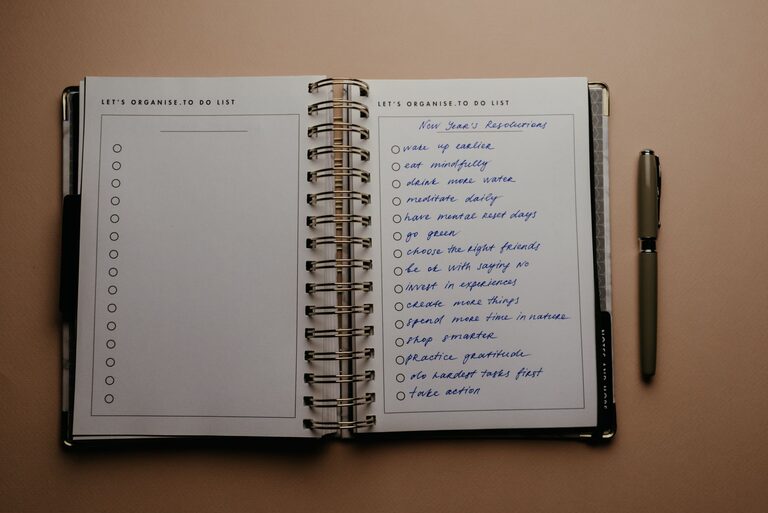
Building better habits is less about making dramatic changes and more about repeating small actions over time. Whether you want to read regularly, exercise more, keep your space organized, or spend less time on your phone, habit tracking can help you understand your behavior and stay focused.
A habit tracker gives you a simple way to record what you do. More importantly, it helps turn an invisible process into something you can see and improve. With the right approach, tracking can provide encouragement without becoming another source of pressure.
Start With One Clear Habit
Many people struggle with consistency because they try to change too many things at once. A long list of new habits can feel exciting at first, but it often becomes difficult to manage.
Begin with one habit or a small group of related habits. Choose something specific enough to measure. For example:
– Read 10 pages each evening
– Walk for 20 minutes after lunch
– Write three sentences in a journal
– Prepare tomorrow’s priorities before bed
– Drink a glass of water after waking up
Avoid vague goals such as “be healthier” or “be more productive.” These goals may be useful as general directions, but they do not tell you what action to take today.
A clear habit should answer three questions:
- What will I do?
- When or where will I do it?
- How will I know I completed it?
The more precise the habit, the easier it is to track.
Choose a Tracking Method You Will Actually Use
The best habit tracker is not necessarily the most advanced one. It is the method you can use consistently without much effort.
Paper Trackers
A calendar, notebook, or printed checklist can work well. Mark each completed habit with a check mark, dot, or other simple symbol. Paper trackers make progress visible and are easy to customize.
Phone Apps
Habit tracking apps may offer reminders, streak counts, charts, and notes. These features can be helpful if you already use your phone regularly. However, choose an app that feels simple rather than distracting.
Digital Notes or Spreadsheets
A notes app or spreadsheet can give you more flexibility. You can record completion, add short comments, and review patterns over time. This option is useful if you prefer to create your own system.
Whatever method you choose, keep the tracking process quick. If recording a habit takes several minutes, you may stop using the system before it becomes useful.
Connect New Habits to Existing Routines
One of the easiest ways to remember a new habit is to attach it to something you already do. This is sometimes called habit stacking.
For example:
– After brushing your teeth, stretch for two minutes
– After making coffee, review your top priority
– After lunch, take a short walk
– Before turning on the television, tidy one small area
– After getting into bed, read a few pages
Existing routines act as reminders. Instead of relying only on motivation, you use a familiar event as a prompt.
Choose a routine that happens regularly and occurs close to the time you want to complete the new habit. Make the connection as clear as possible by using a sentence such as:
“After I do my existing routine, I will complete my new habit.”
Make the First Step Easy
A habit is easier to repeat when the starting point requires little effort. If the first step feels complicated, you may delay it even when you have good intentions.
Prepare your environment in advance. Put a book beside your bed, place walking shoes near the door, or keep your journal on your desk. Remove small obstacles that might interrupt your plan.
You can also create a minimum version of the habit. This is the smallest action that still counts. For example:
– Read one page
– Do one stretch
– Write one sentence
– Put away five items
– Practice a skill for two minutes
The minimum version is not meant to replace larger efforts forever. It helps you maintain the routine on busy or low-energy days. Once you begin, you may naturally do more. If you do not, you have still protected the habit.
Track Completion, Not Perfection
A tracker should provide information, not judgment. Marking a habit as incomplete does not mean you failed. It simply shows what happened on that day.
Try to focus on patterns instead of individual results. Ask questions such as:
– Which days are easiest for me?
– What usually gets in the way?
– Does the habit work better in the morning or evening?
– Is the habit too large for my current schedule?
– What changes would make it easier?
This mindset turns tracking into a learning tool. You are not trying to prove that you are perfect. You are gathering information that helps you design a more realistic routine.
Use Streaks Carefully
Streaks can be motivating because they make progress feel visible. However, they can also create an all-or-nothing mindset. Missing one day may feel like losing everything, even though one missed day does not erase previous progress.
Instead of focusing only on a perfect streak, use flexible measures such as:
– Number of completed days this week
– Total sessions this month
– Percentage of planned actions completed
– Number of times you returned after a missed day
You might set a goal to complete a habit five days per week rather than every day. This allows room for rest, unexpected events, and changes in your schedule.
Plan for Missed Days
Consistency does not mean never missing a day. It means returning to the habit regularly.
Before you begin, decide how you will respond to interruptions. A simple rule might be: “Never miss twice if I can reasonably avoid it.” If you miss one day, resume at the next available opportunity instead of waiting for a new week or month.
It can also help to create backup options:
– If you cannot complete a full workout, take a short walk
– If you cannot write for 30 minutes, write for five
– If you cannot clean the whole room, clear one surface
– If you cannot follow your usual routine, complete the smallest version
A flexible plan is more durable than a rigid one.
Review Your Progress Regularly
Set aside a few minutes each week to review your tracker. Look for evidence of what is working and what needs adjustment.
During your review, consider:
– How often did I complete the habit?
– What made completion easier?
– What obstacles appeared repeatedly?
– Is the habit still meaningful to me?
– Should I change the timing, location, or size of the habit?
Use the answers to make one small improvement. You may discover that moving a habit to a different time, reducing its length, or adding a reminder makes a significant difference.
Reward the Process
Rewards can reinforce a habit, especially when the results take time to appear. The reward does not need to be large or expensive. You might enjoy a cup of tea, listen to a favorite playlist, or take a few minutes to relax after completing the habit.
You can also reward yourself by recognizing progress. Review your completed days, write down what you have learned, or share a milestone with someone supportive.
The most valuable reward is often the growing sense that you can rely on yourself. Each completed action provides evidence that your routine is becoming part of your life.
Keep Improving Your System
Habit tracking should support your goals, not take over your day. If your tracker becomes stressful, simplify it. If reminders stop working, change them. If a habit no longer fits your priorities, replace it.
Start small, record honestly, and review your progress with curiosity. Consistency grows through repeated actions, flexible planning, and a willingness to begin again. By tracking habits in a simple and realistic way, you can make steady progress without waiting for perfect motivation.
About the Author